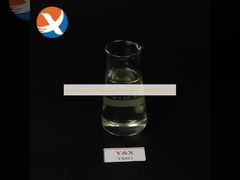
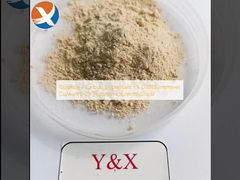
Brief: Get a guided demo that shows common workflows and troubleshooting tips for using Q25 Froth Flotation Reagents. This video demonstrates how this oily liquid collector improves beneficiation processes for non-ferrous metals, especially in ores with high mud content or fine particle sizes. You'll see how it creates uniform, large bubbles for effective mineralization, boosting concentrate grade and recovery rates.
Related Product Features:
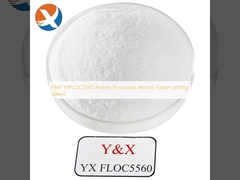
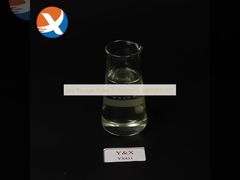
Amber or dark brown oily liquid with minimal odor, suitable for various ore types.
Ideal for oxide, non-ferrous, and precious metal ores with high mud content.
Produces uniform, large bubbles for superior mineralization and separation efficiency.
Enhances concentrate grade and recovery rates with a typical dosage of 5-30g/t.
Reduces foam viscosity in flotation operations with argillaceous gangue.
Improves separation for finely ground ores by minimizing gangue interference.
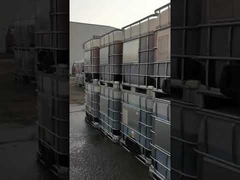
Supplied in IBC drums with a net weight of 900kg per barrel for easy handling.
Requires storage away from moisture, heat, and fire sources to maintain integrity.
Fragen und Antworten:
What types of ores is the Q25 Froth Flotation Reagent suitable for?
Q25 is suitable for the beneficiation of oxide ore, nonferrous ore, and precious metal ore, particularly those with high mud content or fine particle sizes.
How does Q25 improve the flotation process for difficult ores?
It produces uniform, large bubbles that enhance mineralization, reduce foam viscosity, and improve separation efficiency, leading to higher concentrate grade and recovery rates.
What is the typical dosage range for Q25 in flotation operations?
The dosage is generally between 5 to 30 grams per ton of ore, depending on the specific ore characteristics and flotation conditions.
How is the Q25 reagent packaged and stored?
It is packaged in IBC drums with a net weight of 900kg per barrel and should be stored in a dry place, protected from moisture, heat, and fire.